Skip to research and advisory choices

Pesquisa transfronteiriça · Índia, Europa, Estados Unidos

Novos mercados.
Decisões mais claras.

Inteligência de mercado e aconselhamento transfronteiriço para equipas que decidem onde entrar, como expandir e com quem trabalhar.

Pesquisa com fontesÂmbito definidoCritério humano
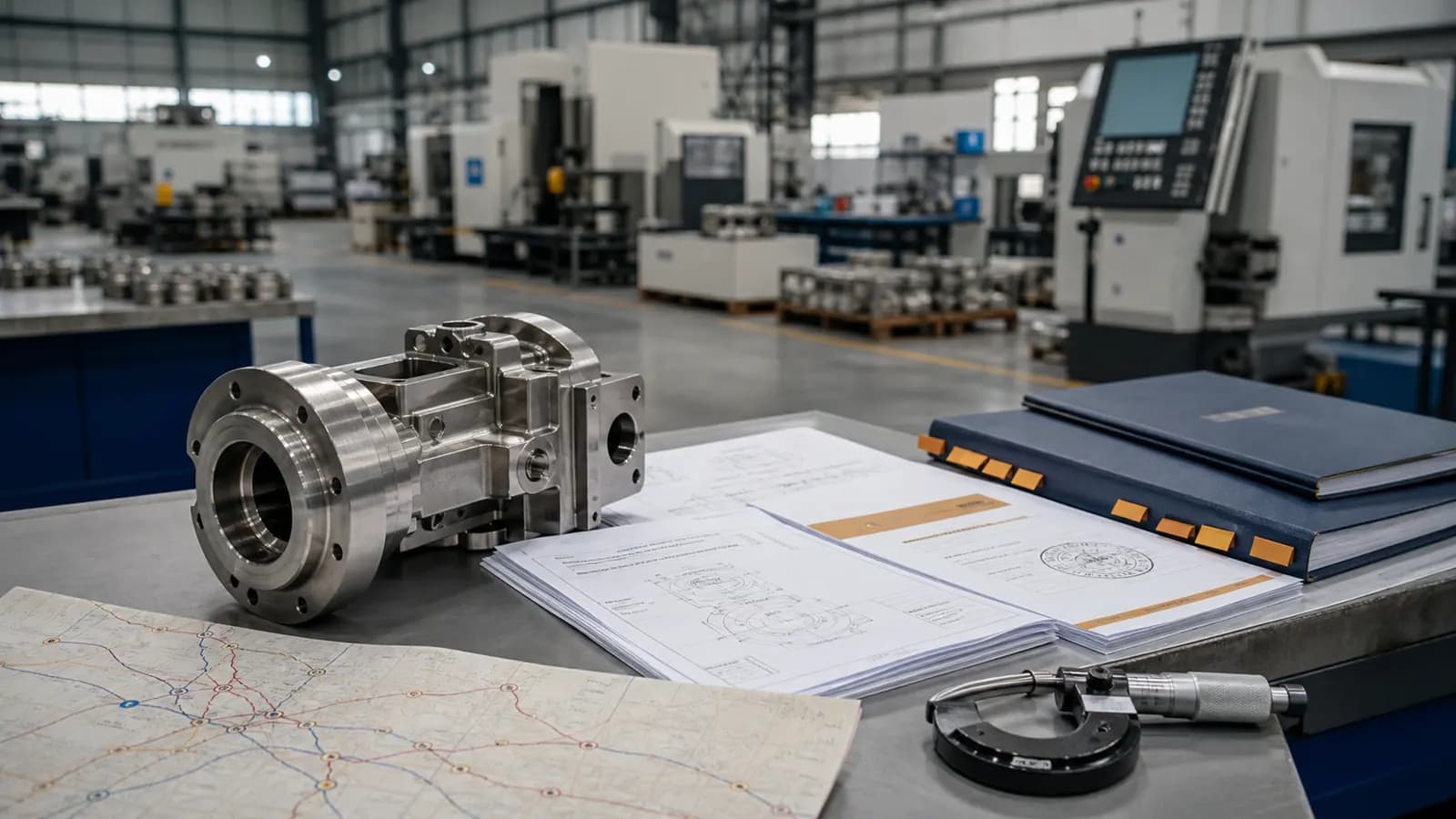
Industrial machinery and research documents, illustrative market contextIndustry, in context
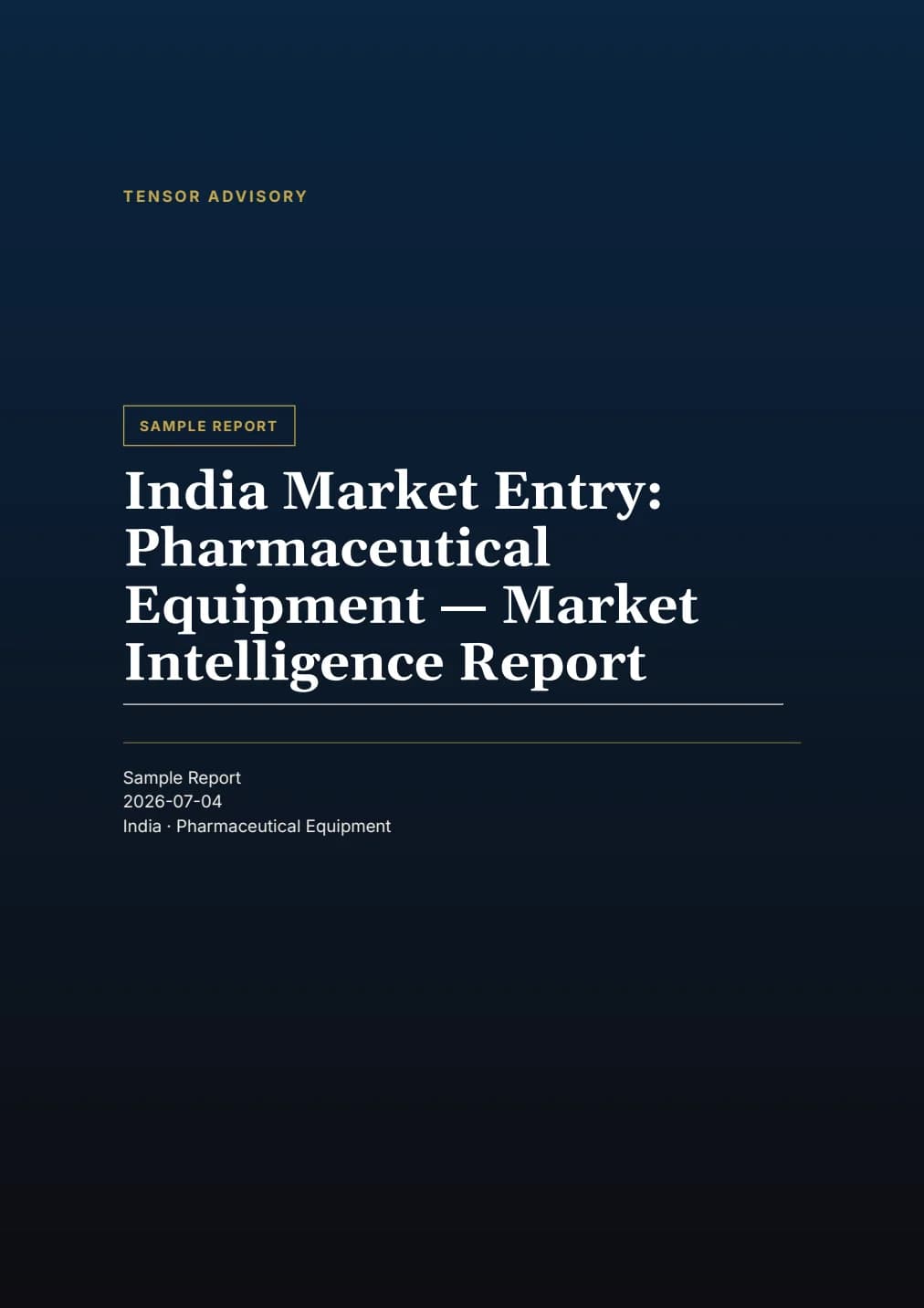
Cover of the actual pharmaceutical equipment India MIR sample
The question behind the marketWhere is the opportunity?
What needs to be true?
Look inside a real MIR

Inside the work

A better decision.
One source at a time.

Follow one real example from our EU–India research. See what the source says, what it does not establish, and the question worth taking forward.

EU–India / market entryDated evidence
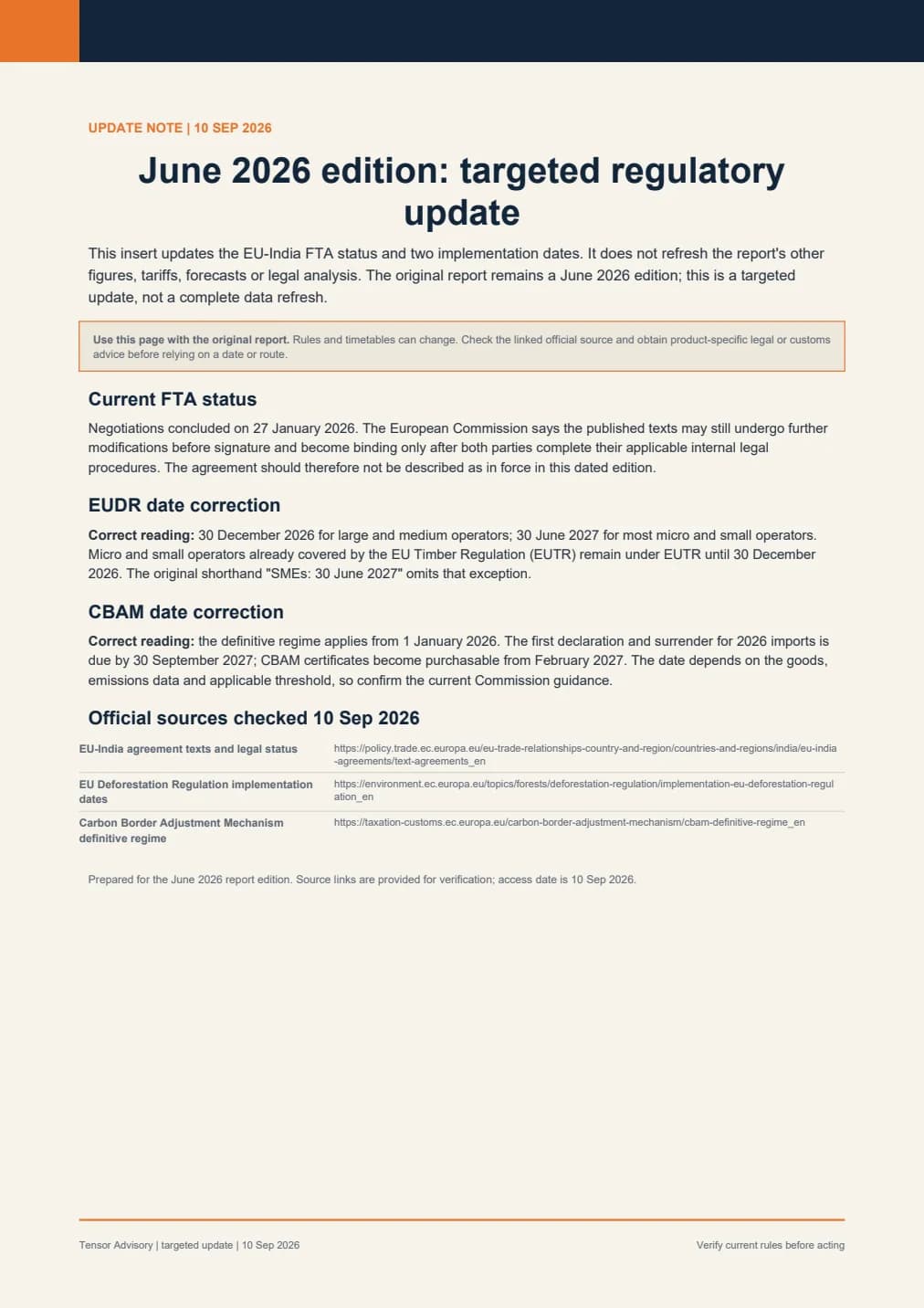
The dated update page from the EU–India FTA impact reportActual report update · 10 Sep 2026
SourceEuropean Commission

Published text and legal status.

ConstraintConcluded ≠ in force

Keep the legal status attached to the claim.

Decision questionWhat must hold true
for this route to work?

Current baseline + explicit assumptions.

Negotiations concluded

The source

A trade agreement starts with the text.

EU–India FTA negotiations concluded on 27 January 2026. The European Commission publishes the agreement text and explains its legal status.

Inspect the primary source
Take this question into your project

Which parts of the EU–India FTA text are relevant to our product and route?

The constraint

A headline is not a landed-cost assumption.

The published text may change before signature. It becomes binding only after both parties complete their applicable internal procedures. Future preferences should not be treated as today's tariff.

Inspect the primary source
Take this question into your project

What is our landed cost under today's applicable duties, before any future FTA preference?

The decision

Now the next question is specific.

Identify the product classification, current duties and possible origin requirements. Model the current route first, then test a separate future-agreement scenario against verified conditions.

Read the underlying source
Take this question into your project

Which HS codes, current duties and origin requirements must we verify before choosing an India entry route?

This example shows the reasoning process. It is not a product-specific customs assessment.

Inspect the full report edition ↗

O exemplo interativo e o desk de decisão são apresentados atualmente em inglês.

Bring a question.
Leave with a starting brief.

Choose your market and objective. Take the outline with you, commission a custom MIR, or use it to start an advisory conversation.

Choose a corridor
Choose an objective
Your working briefIndia

Europe → India / Market entry

Question to clarify

Decide how to enter the market through the Europe → India corridor.

Evidence to assemble

Entry conditions, demand signals, competitor shape, regulatory pathway, and the assumptions that need testing. Focus the source pass on Europe → India.

Working output

A go, wait, or narrow decision outline with the next validation step made explicit.
The outline is a starting point. A live report needs a dated source pass and your context.

Bob, your AI guide